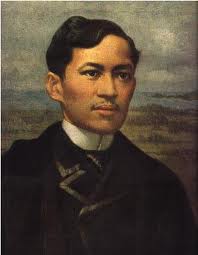
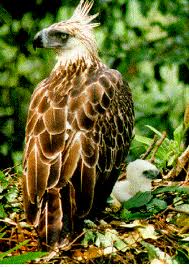
Filipino symbols The culture name for the Philippines is Filipino. The national bird of the Philippines is the Philippine eagle, the second largest eagle in the world. The Philippines national hero is Doctor Jose Rizal.
Filipino Food If rice is not served, Filipinos do not consider the food a meal. Freshwater and salt water of shellfish and fish served either fresh or salted is eaten very daily in the Philippines. To filipinos, it is considered healthy to add Garlic to their meals. A filipino traditional method that is used throughout the country is placing food on a banana leaf and eating with one's hands. At restaurants as well as in houses, it is acceptable to eat food with one's hands. A very popular dessert in the Philippines is Halo-halo, which means "mixture," and is made of layers of corn kemels, ice cream, small gelatin pieces, cornflakes and shaved ice. Ube is a bland bright purple potato that is used as a colorful ingredient in ice cream and cakes.
Trade Agricultural products that are usually exported to neighboring countries are: rice, bananas, cashews, pineapple, mangoes, and coconut products. Electronic equipment, machinery, and clothing are examples of exported manufactured products. The major trading partners of the Philippines are the United States, members of the European Union, and Japan.
|
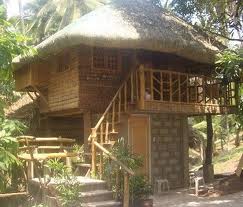
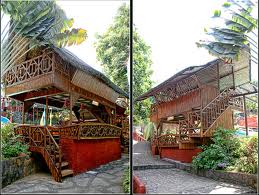
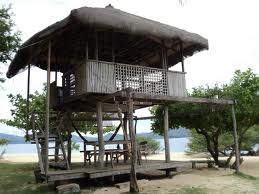
Towns and Homes Nipa huts are traditional houses in rural areas in the Philippines, and are constructed of bamboo and roofed with leaves from palm trees or corrugated metal. Homes and towns that were destroyed during the campaign in World War II, especially in central and northern Luzon, were rebuilt using wood. Also during World War II, if areas of Manila were destroyed, the would be restored to their historical spanish appearance. In Manila, newer buildings range from standard multistory offices to Western-style gated housing areas for the affluent, to tenements and shacks.
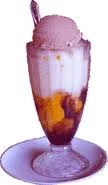 Halo-Halo 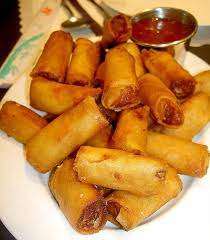 Filipino dish called Lumpia
Nationality The only Christian nation in Asia is the Philippines. More than 85 percent of people in the Philippines are Roman Catholic.
Filipino Activites/Holidays Watching professional basketball played by American professional teams and Filipino professional leagues is enjoyed by people in the Philippines. On June 12, the Philippines celebrates Independence Day which is the day where they earned their freedom from Spanish rule. Filipinos also celebrate Chinese New Year, which is not a national holiday, in January or Febuary. During Chinese New Year in Manila, parades and fireworks take place throughout Chinatown. A very popular activity in the Philippines is the bamboo dance also called "Tinikling" This dance requires two couples and two bamboo poles. The bamboo dance is when a boy and a girl (or a solo person) perform the national dance while the other couple claps the baboo poles together, also hitting the ground, to the rhythm of the music.
|